
A delicate flower with a quietly fierce survival strategy.
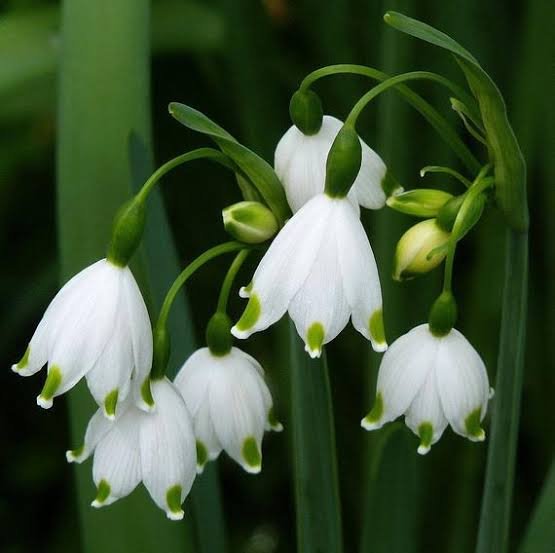
Summer Snowflake
Don't let the name fool you.
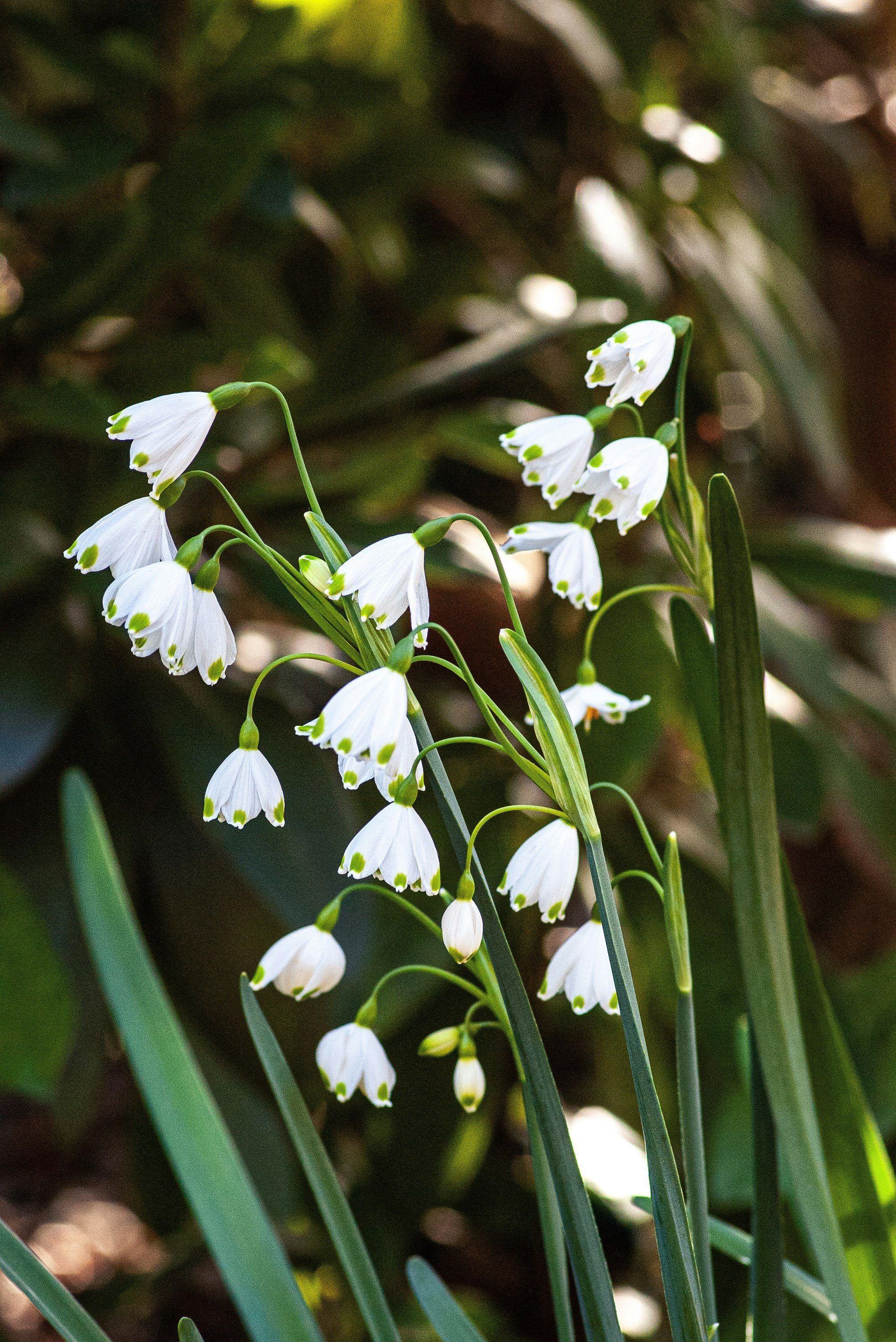
The summer snowflake — Leucojum aestivum — is a perennial bulb native to Europe and the Middle East, treasured in gardens since at least the 16th century for its nodding white bell-shaped flowers tipped in soft green. It looks, to be honest, entirely harmless.
Its bulb, however, is another story entirely.
To survive being eaten by grazing animals, the summer snowflake evolved to produce bitter alkaloid compounds — a natural chemical deterrent with muscle-relaxant properties that have been quietly remarkable for centuries. One of its natural alkaloids, galanthamine, is used in treatments for Alzheimer's disease. Because of this, wild populations have faced pressure from over-harvesting, and the species is now protected in parts of its native range. The active used in skincare today is responsibly cultivated rather than wild-harvested — because the snowflake's power shouldn't come at cost to the wild populations that first revealed it.
Nature is generous. We try to be worthy of that.
What it does in skincare.
The summer snowflake's natural muscle-relaxant alkaloids inspired one of the most talked-about categories in modern cosmetic science: plant-based alternatives to injectable treatments.
Where Botox works by blocking nerve signals from the outside in, summer snowflake extract is believed to work with the skin's own chemistry in a gentler, topical way — calming the small muscle contractions responsible for expression lines around the eyes and forehead. The repeated smiling, squinting, and frowning of a life well lived, softened — without a needle in sight.
Modern extraction methods draw out these naturally occurring compounds without harsh chemical solvents, preserving the plant's properties in a clean, sustainably produced active. In skincare, summer snowflake extract is associated with a softening of fine lines and expression lines, a calming effect on overactive sweat glands, and a gentle, non-invasive alternative to more aggressive treatments.
A plant defence mechanism, repurposed as a beauty solution.
Nature, once again, getting there first — and doing it with considerably more elegance than we managed.